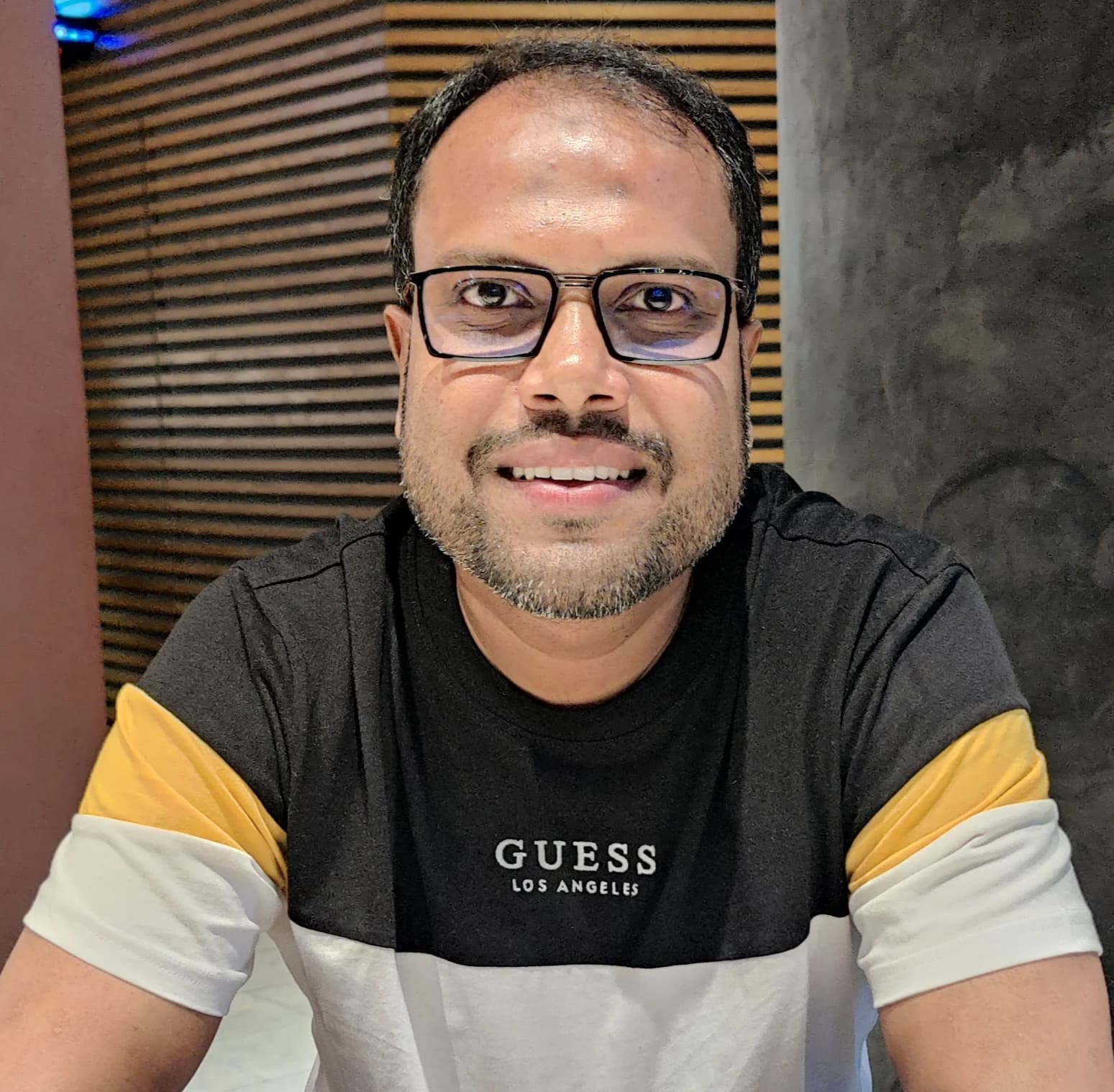
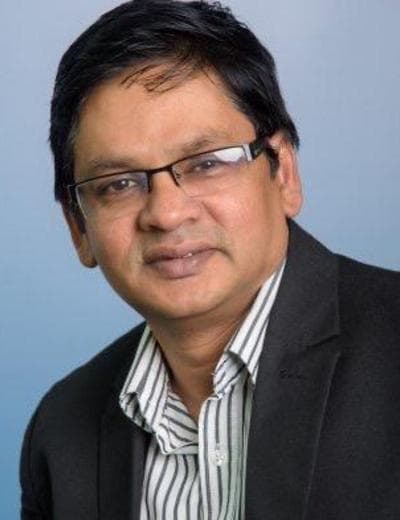
Dr. Jahangir Khan: My interest in economics began with a simple question: why do some societies prosper while others struggle despite similar resources? Studying economics at the BSc level gave me a solid foundation in how markets work, while my MSc showed me the power of data-driven research to address real-world problems. I chose to pursue a PhD in Sweden because its institutions combine rigorous academic training with a strong focus on policy, equity, and social welfare in regard with health and healthcare —an approach that aligns closely with my research interests and values.
Dr. Jahangir Khan: My PhD at Karolinska Institutet, which centered on income redistribution in relation to sickness insurance, fundamentally shaped how I approach public health. It taught me that health outcomes are inseparable from economic incentives and social protection systems. By studying how sickness insurance redistributes income across different socioeconomic groups, I learned to view health not only as a medical issue, but as a matter of fairness, resilience, and social stability. Working in this field emphasized the importance of preventive policies, equitable access to resources, and designing systems that protect vulnerable populations. It also strengthened my belief that effective public health measures must be grounded in data, institutional context, and long-term social impact, rather than short-term cost considerations.
Dr. Jahangir Khan: Professor Bjarne Jansson at the department of Public Health Sciences of Karolinska Institutet and Professor Ulf-G Gerdtham at the department of Economics of Lund University in Sweden. In addition, Professor Clas Rehnberg from Karolinska Institutet, who contributed to my career largely.
Dr. Jahangir Khan: Financial risk protection aspect of universal health coverage and health technology assessment (HTA).
Dr. Jahangir Khan: Leading the Health Economics Unit at icddr,b was one of the most meaningful professional experiences of my career. I had the privilege of working with an exceptionally dedicated team who were deeply committed to improving health outcomes for vulnerable populations. My role was not just about producing research—it was about translating evidence into policies that directly influenced national and global health programs.
I oversaw projects ranging from cost-effectiveness analyses of vaccines to evaluating health financing systems and equity. That work required bridging disciplines, collaborating with government and development partners, and ensuring that complex economic findings were communicated in a way that decision-makers could act on. Seeing our recommendations inform real public health decisions—whether in immunization planning, maternal and child health, or health financing—was incredibly rewarding.
I genuinely miss working in Bangladesh. icddr,b’s blend of scientific rigor and real-world impact made the work deeply meaningful. The colleagues, the shared mission, and the exposure to health system challenges continue to influence how I approach research and policy.
Dr. Jahangir Khan: Considering Bangladesh’s current challenges, three health financing strategies are particularly critical for moving toward Universal Health Coverage.
First, we must reduce dependency on out-of-pocket payments by expanding risk-pooling mechanisms. When over 70% of health expenditures come directly from households, people are vulnerable to financial hardship and avoid seeking timely care. Introducing or scaling prepayment schemes— national health insurance, social health insurance for formal workers, and initially community-based insurance for informal sector workers —can spread risk, protect households, and create a more predictable funding stream. Strategic purchasing is essential here: purchasing services from both public and private providers under standardized benefit packages would help align incentives, ensure continuity of care, and leverage the rapidly expanding private sector rather than letting it grow in isolation.
Second, the financing system must correct the current bias toward curative care and neglect of preventive and promotive services. Preventive interventions are cost-effective, but they are chronically underfunded because their benefits appear long-term and diffuse. Dedicated budget lines or earmarked taxes for primary healthcare, disease prevention, and health promotion would ensure these services are not crowded out. Performance-based financing to reward early detection, continuity of care, and population health outcomes can shift providers’ focus away from high-margin curative services and toward prevention.
Third, incorporating private healthcare providers into the publicly funded health services. Incorporating private health providers into a publicly funded health system (tax-based) involves defining their role, setting common quality standards, and establishing clear contracts and pricing. Governments can reimburse approved services, integrate electronic health records to ensure continuity of care, and monitor performance to maintain accountability. Collaboration between public and private sectors should reduce wait times, expand access—especially in underserved areas—and support preventive and emergency services. The goal is to enhance capacity and efficiency while preserving equity and universal access.
Dr. Jahangir Khan: Focus on solving real health problems in Bangladesh first. Global health values people who understand communities, systems, and what actually works on the ground. Build strong skills, learn to communicate your work through writing and presentations, and connect with mentors and collaborators. When your local experience is meaningful, your global opportunities will naturally grow.
Dr. Jahangir Khan:
1) Understanding human behavior toward maintaining good health—conceptually and in practice. Health economics is ultimately about people. You need to understand why individuals make certain health choices, how they respond to incentives, and what barriers—financial, cultural, psychological—shape their actions. This includes appreciating the role of family, community, and social norms. Successful health economists use behavioral insights both in theory (e.g., demand and supply, models of utility, risk aversion, time preference) and in practice—designing interventions that accommodate human needs. Making one’s thoughts stronger, reading philosophy is inevitable.
2) Extracting appropriate quantitative data and analyzing it with theory in mind. Numbers alone are not enough. You must know how to gather the right data—administrative data, surveys, costing information, service utilization patterns—and then apply appropriate analytical methods. More importantly, analysis should be grounded in economic theory: demand and supply, opportunity cost, externalities, incentives, equity, and distribution. This ensures your findings explain why something is happening, not just what is happening. The best health economists maintain a tight feedback loop between real-world data and the conceptual frameworks guiding their analysis.
3) Translating evidence into policy. Evidence only matters if people can use it. Health economists must be skilled at translating complex findings into clear, actionable guidance for decision-makers. That means understanding policy windows, institutional constraints, and stakeholder priorities. It also means communicating without jargon and offering practical choices—not just pointing out problems. The ability to move from analysis to policy—budgeting, benefit packages, payment mechanisms, regulation—ultimately determines whether your work improves health systems or stays confined to papers and presentations.
Dr. Jahangir Khan: Dokkōdō is a short book written by Miyamoto Musashi. It contains some simple rules about how to live well. It teaches that people should be disciplined, avoid unnecessary desires, and not rely too much on others. A truly valuable book in today’s stressful world.
Dr. Jahangir Khan: “System makes things better more efficiently and equitably”. I believe in system development rather than improvement in any vertical or individual parts as the system level intervention would be more efficient and equitable.
Dr. Jahangir Khan: Balancing personal and family interests, I keep the possibility of returning to Bangladesh very much alive. I’m looking for the right moment when I can contribute meaningfully.
Interview conducted by Monaemul Islam Sizear
Professor Jahangir Khan is an internationally recognized health economist at the University of Gothenburg, Sweden. He began his research career at Karolinska Institutet after completing his BSc and MSc in Economics at Stockholm University. His work focuses on health financing, economic evaluation, equity in health systems, health technology assessment, and Universal Health Coverage.
He has led research teams and translated evidence into practice, including as Head of the Health Economics Unit at icddr,b in Bangladesh, Senior Lecturer at the Liverpool School of Tropical Medicine in the UK, and lead of the Health Economics and Policy Research Group at the University of Gothenburg. His scholarship applies rigorous economic methods to real-world policy challenges—such as vaccine cost-effectiveness, strengthening health financing, and reducing out-of-pocket payments.
He has published widely, supervised PhD students, and collaborated with governments and international partners. Professor Khan is a member of the Scientific Board of the Swedish Agency for Health Technology Assessment and Assessment of Social Services (SBU).