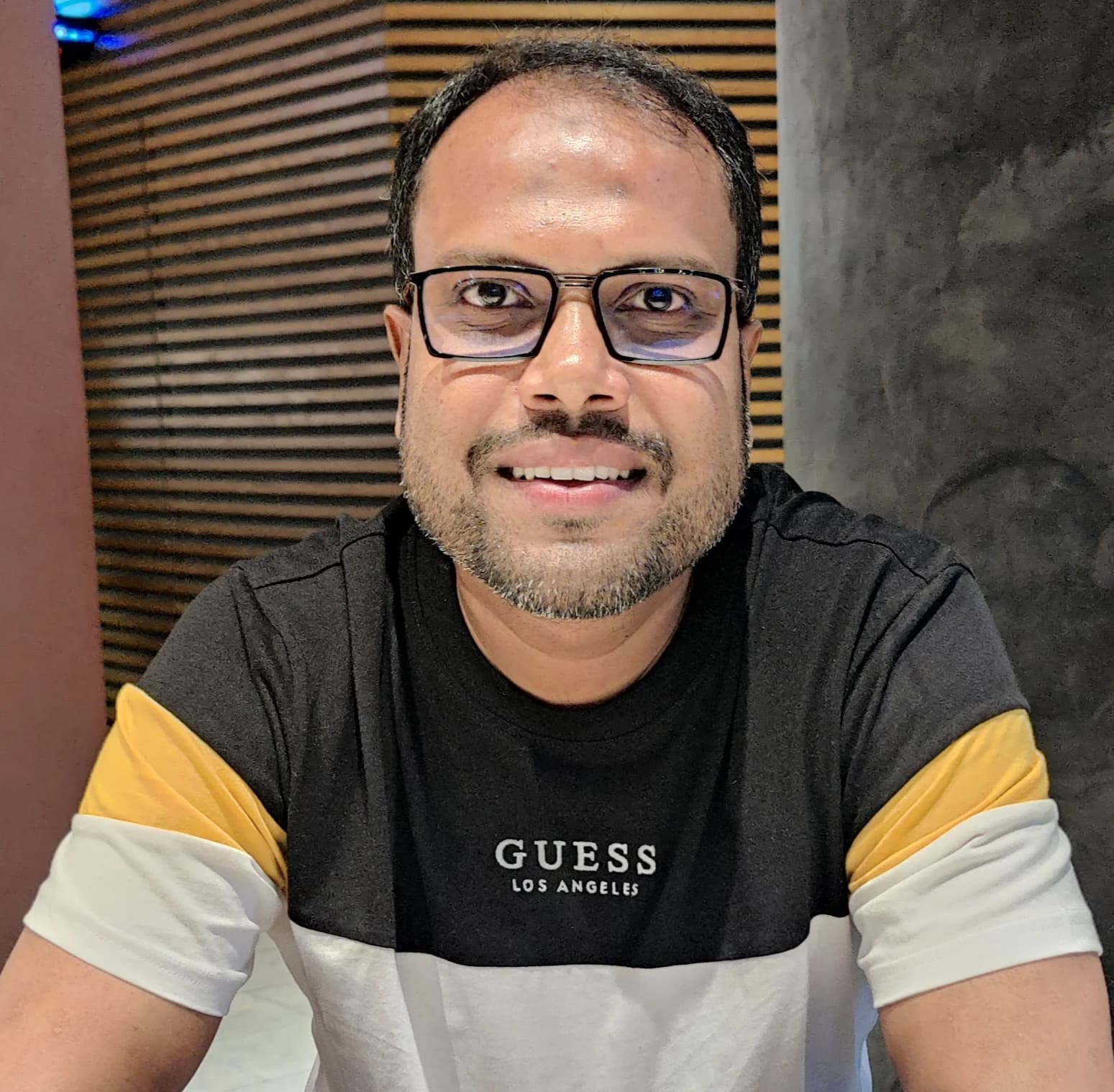
— Dr. Md Khalid Hossain – Researcher & Academician, Monash University
"My career has always been driven by one central question: how can policy meaningfully improve people's lives? Bangladesh grounded me in real-world development challenges, while Australia has given me the academic and policy platforms to scale those insights globally."
Khalid Hossain: My career has always been driven by one central question: how can policy meaningfully improve people's lives, especially those who are most marginalised? I began in civil engineering because I was fascinated by systems, infrastructures, and how they shape communities. But I soon realised that development challenges are never purely technical; they are deeply political and social. This led me to study diplomacy and trade, and later into roles with Oxfam and the International Union for Conservation of Nature (IUCN), where I worked on climate justice, environmental governance, and community resilience. Those years in the field exposed me to the profound inequalities intensified by climate change. My current focus on digital transformation and climate health at Monash University is a natural evolution of that journey, allowing me to bring together science, technology, policy, and community knowledge to address some of the most urgent global challenges of our time.
Khalid Hossain: Working in Bangladesh and Australia has given me two very different but complementary perspectives. Bangladesh taught me agility, how to work in complex systems, navigate limited resources, and innovate quickly in response to urgent community needs. It is an environment where impact is direct and personal, and where professional roles often demand versatility and deep community engagement. Australia, in contrast, offers structured pathways for research, policy influence, and long-term career development. The systems are more stable, but also more process-driven, with strong institutional support for interdisciplinary work. Both contexts have shaped me: Bangladesh grounded me in real-world development challenges, while Australia has given me the academic and policy platforms to scale those insights globally.
Khalid Hossain: My research at Monash University focuses on digital transformation and the design of resilient systems that support health and wellbeing, particularly for marginalised and climate-vulnerable communities. A significant part of my work examines how climate change disrupts essential services, most notably maternal and child health, and how information systems, inclusive technologies, and evidence-based policy can strengthen communities' ability to prepare for, adapt to, and withstand these disruptions. Central to my approach is co-design: working directly with communities to ensure that the technologies, data systems, and policies developed are meaningful, accessible, and grounded in real lived experience.
Khalid Hossain: Climate change affects health through every pathway: heat, flooding, salinity, displacement, and food insecurity. Maternal and child health is especially vulnerable because it relies on consistent access to services, safe environments, and stable nutrition.
A clear example comes from our work in Bangladesh's coastal belt: during extreme heatwaves and tidal flooding, pregnancy check-ups and childhood immunisation sessions are often cancelled because clinics become inaccessible. Salinity intrusion also increases hypertension and pregnancy complications. These disruptions are not "future risks", they are happening now, to millions of people, and the impacts compound over time. It shows how climate change is ultimately a human health crisis, not just an environmental one.
Khalid Hossain: The global response to climate-related health challenges is improving, but it is still far from sufficient. Most efforts remain reactive, fragmented, and heavily concentrated in emergency relief rather than long-term resilience. Maternal and child health is a clear example: while climate impacts are accelerating, investments in climate- resilient health systems, early warning infrastructure, and community-centred information services are not keeping pace.
We also see major gaps in integrating local knowledge into policy, ensuring digital connectivity in remote regions, and building data systems that allow governments to anticipate, not just respond to, health risks. What is urgently needed is a shift from short- term project thinking to sustained, multi-sector collaboration that links health, climate, technology, and social equity. Without this, vulnerable communities will continue to bear the greatest burden of climate-induced health inequities.
Khalid Hossain: First, systems thinking, the ability to understand how climate, health, economics, and governance intersect. Second, evidence-based communication, because translating complex science into public understanding is critical. Third, collaborative leadership, which means working across cultures, disciplines, and sectors. The challenges we face cannot be solved by single actors; they require coalitions, empathy, and the ability to mobilise collective action.
Khalid Hossain: I have been inspired by many people, but one constant role model is late Dr. Saleemul Huq, whose life's work on climate justice reshaped global thinking. What inspires me most is not just his scholarship, but his humility and unwavering commitment to frontline communities. He showed that real leadership is about amplifying voices that are rarely heard, and ensuring that global policy reflects the lived realities of those most affected.
Khalid Hossain: I have recently read 'The Age of AI: And Our Human Future'. The book argues that Artificial Intelligence will reshape how we produce knowledge, govern societies, and even define what it means to be human. One key insight I have taken from it is the urgency of building ethical and governance frameworks around AI, especially as it begins to mediate critical domains such as health, climate change adaptation, and social welfare. As someone working on climate resilience and community wellbeing, I find the authors' warning that AI's power must be matched by human responsibility and foresight. If we embed AI carelessly into decision-making systems without ensuring transparency, accountability, and inclusion, we risk exacerbating the inequalities we already fight against.
Khalid Hossain: My personal motto is: Listen first, act second. So much of our development and policy work fails because we enter communities with pre-made solutions. Listening with humility not only builds trust; it leads to far more effective and sustainable outcomes.
Khalid Hossain: Bangladesh will always be home, and my work will continue to have deep roots there. I am committed to contributing to Bangladesh's development through research, partnerships, capacity building, and collaborative projects, regardless of where I am physically based. My aim is to build bridges between Australia and Bangladesh so that knowledge, resources, and opportunities flow both ways.
Interview conducted by Monaemul Islam Sizear
Dr. Md Khalid Hossain is a Research Fellow in the Faculty of IT at Monash University, specialising in digital transformation, climate resilience, and community-centred health systems. His work examines how climate change disrupts essential services, particularly maternal and child health, and how information systems and inclusive technologies can strengthen adaptation for marginalised communities.
Before academia, he worked with Oxfam and the International Union for Conservation of Nature (IUCN) on climate justice and environmental governance across South Asia. He has led multidisciplinary projects in Bangladesh, Indonesia, and Australia, and collaborates widely with government, NGOs, and global organisations. His research spans climate–health impacts, digital inclusion, AI adoption, and community information ecosystems.