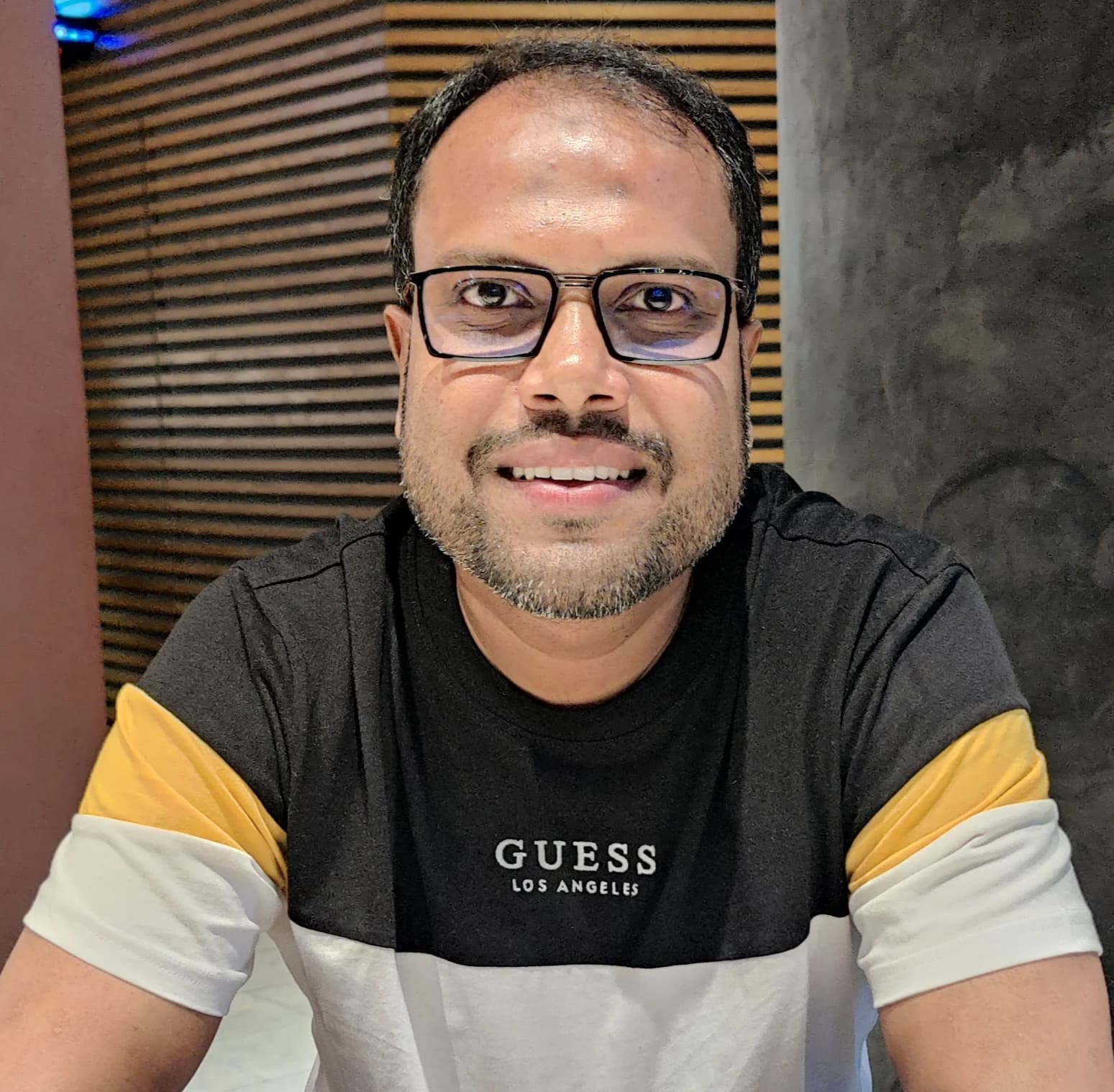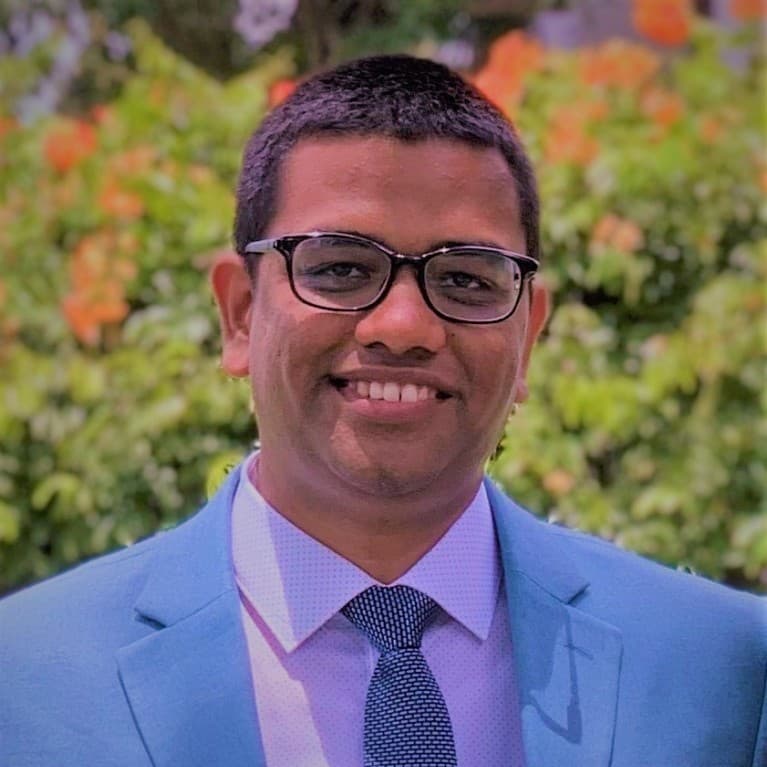
- Dr. Shashika Bandara, Academician, Researcher and Global Health Policy Expert
“In all of my research and advocacy, I center equity and learnings from the evolving field of decolonizing global health. Rather than equity being a separate subject or an afterthought, I think we should center it across all our work.”
Published: 24 July 2026
Shashika Bandara: I am a Senior Lecturer focusing on global health governance, policy and equity. I am passionate about equity, human rights and solution building in global health. I am currently at Monash University Malaysia. My global health training includes a master’s of global health Duke University, USA and doctoral studies focused on global health policy McGill University in Canada. I also have worked on human rights in South Asia with Law and Society Trust in partnership with Forum Asia and in humanitarian settings with CARE International. My work examines governance, policy, human rights and equity in global health looking at policy efforts at global and national levels. I also explore ways to strengthen global health education and future leaderships of global health. I grew up in Kandy, Sri Lanka and I enjoy the sea.
These articles and podcast shed light on my positionality and the way I view global health:
Shashika Bandara: Currently, one of my research projects explore consensus building in global health and how we can build solutions collectively to address the polycrisis. I am also examining implementation of global health treaties and what factors impact them. I am also keen to understand how we can strengthen teaching and learning in global health education. I write and advocate for visa and passport equity, as it is interconnected to all the fields above. In all of my research and advocacy, I center equity and learnings from the evolving field of decolonizing global health. Rather than equity being a separate subject or an afterthought, I think we should center it across all our work. Same applies to learnings we have gained from decolonizing global health.
Shashika Bandara: I think I would pursue strengthening solution building in global health policy arenas. By understanding what factors matter to solution building currently, lessons from the past, and learning how to best build bridges among stakeholders to design best possible pathways for solutions based on context. Interconnected to this I also want to find avenues to platform and have representation of experts from high, middle and low income countries by minimizing structural access barriers including visa and passport inequities.
Shashika Bandara: Both those experiences matter to me deeply not because they are recognizable institutions but because of the mentors I was fortunate to learn from, work with, and collaborate. At Duke, I got a comprehensive exposure to the policy world and at McGill I learnt more about equity, decolonizing and the importance of power and also the importance of making space for others.
Given my love for Montreal as a city and the community, I would say McGill stands out slightly ahead of Duke.
Shashika Bandara: The reimagining global health course which I co-direct with Prof. Madhu Pai has been a transformative space both for us as faculty and for participants (based on their feedback). This year (2026) especially, we received an overwhelming number of notes of appreciation, heartfelt accounts of transformation experienced and thanks – both publicly and personally. It is always rewarding to receive good feedback from students, but I think this course stands out to me as a genuine safe (or brave) space and a space where we have minimized the distance between teacher-student. So, everyone is a co-learner, engaging with each other. It matters deeply to me that we minimize these hierarchies, in healthy ways, especially in learning environments and I am glad to be making this effort with Madhu.
Shashika Bandara: Strategic communication is essential which will help you navigate both public and interpersonal communication. This skill needs to evolve with time, setting, and platforms.
Critical thinking is another skill that we need. You can be technically sound in epidemiology, clinical practice, policy analysis or any other sector – without critical thinking to assess things based on context, impact, positionality, I think we do a disservice to ourselves and others.
Emotional intelligence which allows you to read the room and adapt is the third skill I would highlight. Lots of us in academia or practice are often trained to look at details and to center ourselves. My hope is that with emotional intelligence we can be better colleagues to our co-workers, partners to our collaborators, mentors to our trainees, and professors/teachers to our students. This also requires working on ourselves via introspection, and recognizing our own privileges, understanding mental health, seeking support when needed and minimizing ego.
Shashika Bandara: I try not to have one role model in any area of life – because people are complex; I usually take the good lessons from all – and leave the rest. However, I do have a lot of respect for Prof. Madhu Pai not just because we have collaborated on equity related advocacy and taught together; but because he genuinely makes an effort to center equity in his work, and gives up power to platform others, and center kindness in his approach to life in general. These are values I strongly align with and it is always good to learn from those who came before you, how they navigate an inherently inequitable (at times oppressive) world without losing the values you hold.
Shashika Bandara: I am currently reading “The fire next time” by James Baldwin – a key insight or rather an inspiration is to be uncompromising and unapologetic in my efforts to uphold equity, human rights and dignity of all.
Shashika Bandara: Impermanence (also known as Anicca in Pali language or Anitya in Sanskrit – because it is difficult to capture these concepts in English sometimes) is the only permanent thing.
I think once we see the world in this lens it helps (at least to an extent), to minimize shock, despair, anger, arrogance and other emotions that we feel in response to a changing world around you. Might be especially relevant to navigating the world we are living in today.
Interview conducted by Monaemul Islam Sizear
Shashika Bandara is a Senior Lecturer at the Department of Global Population Health focused on social and structural determinants of health. His research and advocacy focus largely on global health policy and governance.
Shashika completed his post-doctoral fellowship at the Department of Global Public Health in the School of Population and Global Health at McGill University where he conducted research and was a lead instructor in global health courses. Shashika received his Ph.D. from McGill University and holds a masters in global health from Duke University. Shashika is formerly a policy associate at the Center for Policy Impact in Global Health at the Duke Global Health Institute. Shashika has worked in human rights policy advocacy in Sri Lanka and South Asia, with Law and Society Trust and in collaboration with Forum Asia. He also has experience working in humanitarian settings with CARE International. His previous training includes molecular biology and has conducted cancer immunology research at Johns Hopkins University.