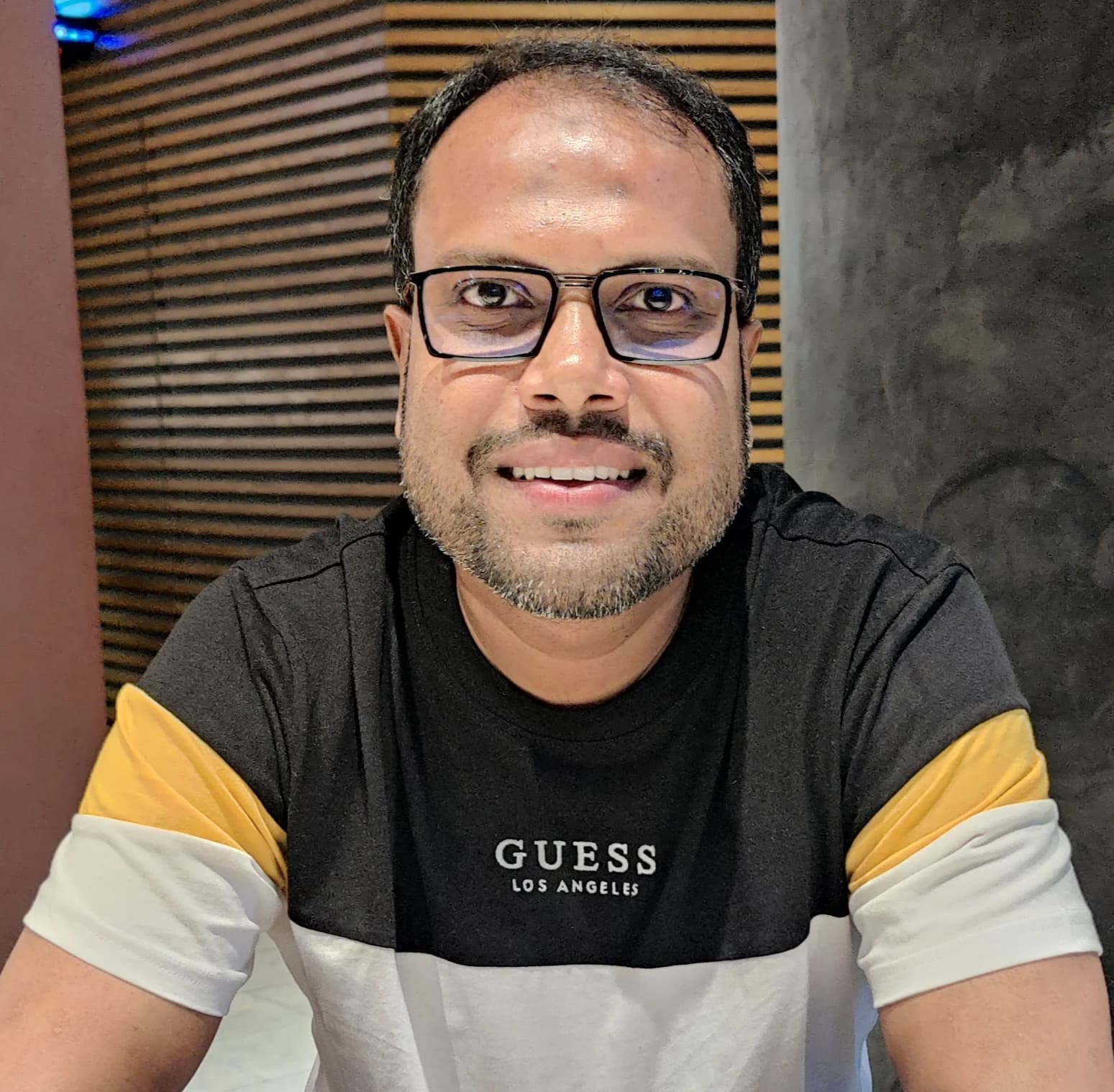
- Dr Md Khurshid Alam Hyder, Physician and Global Health Expert
“Public health is ultimately about people, not systems alone. Policies and programs matter greatly, but they only have meaning when they translate into dignity, equity, and care for individuals and communities.”
Published: 24 September 2026
Khurshid Hyder: I began my career with a strong clinical foundation, earning an MBBS and a Diploma in TB and Chest Diseases from the University of Dhaka. My early medical training developed both my understanding of patient care and my empathy for people affected by illness.
A major turning point came when I pursued a Diploma in TB Control and Epidemiology at the Research Institute of Tuberculosis in Kiyose, Japan, under the mentorship of Dr. Nobukatsu Ishikawa. That experience sparked my interest in public health and encouraged me to look beyond individual patient care towards population health.
I later completed an MPH at the University of Alabama at Birmingham, USA, gaining expertise in epidemiology, biostatistics, international health, and health systems. A subsequent PhD in Medical Microbiology further strengthened my ability to connect scientific research with practical public health interventions.
Professionally, my responsibilities expanded from national to regional and global levels. I spent more than two decades working with Bangladesh’s National Tuberculosis Control Programme before serving as Regional Advisor for Tuberculosis at the WHO South-East Asia Regional Office in New Delhi. Later, as Public Health Administrator and Team Lead for Health Systems Strengthening at WHO Nepal, I supported national health strategies, institutional capacity-building, and the country’s transition to a federal health system. More recently, as a Technical Assistance Consultant, I have contributed to global advocacy, resource mobilization, and partnership-building.
Throughout this journey, mentorship, exposure to major public health challenges, and a commitment to vulnerable populations have shaped my path. Although my career has evolved from clinical practice to national, regional, and global public health roles, my motivation has remained consistent: translating knowledge and evidence into better health outcomes for communities.
Khurshid Hyder: My commitment to tuberculosis control began early in my career, as I saw firsthand how TB affects not only patients but also their families, livelihoods, and communities, particularly among vulnerable populations. These experiences motivated me to deepen my expertise in TB, epidemiology, microbiology, and disease control.
Through my work with WHO and the Global TB Programme, I came to understand that TB is not only a biomedical issue but is also closely linked to poverty, inequality, stigma, nutrition, access to care, and the strength of health systems. Working with governments, civil society, and international partners reinforced my belief that ending TB requires coordinated action, sustained investment, innovation, and strong political commitment.
For Bangladesh, a key priority is closing the gap between people who develop TB and those who are diagnosed and successfully complete treatment. Early case detection should be strengthened through community-based approaches, improved diagnostics, active case finding, and integration with primary health care. Treatment completion is equally important, particularly for drug-resistant TB. Patient-centred care, counselling, social support, and effective follow-up can improve outcomes.
Bangladesh must also continue investing in its health workforce, laboratory capacity, surveillance, and sustainable financing, while strengthening collaboration with the private sector and civil society.
Ultimately, TB cannot be eliminated through medical treatment alone. Poverty, malnutrition, overcrowding, stigma, and other social determinants must also be addressed through a comprehensive, rights-based, and people-centred approach.
Khurshid Hyder: If I had unlimited funding, I would invest in building integrated and resilient primary health care systems that can prevent, detect, and manage infectious diseases such as TB, while also addressing non-communicable diseases and advancing universal health coverage.
The reason is simple: disease-specific programmes have achieved important progress, but fragmented approaches are not enough. Strong primary health care provides the foundation for sustainable TB elimination, better pandemic preparedness, and more equitable access to essential services.
The investment would focus on community-based service delivery for marginalized populations, digital health and data systems to strengthen surveillance and accountability, health workforce development to ensure skilled and motivated providers, and social protection and equity measures to address the underlying determinants of poor health.
By embedding TB control within a stronger, integrated health system, Bangladesh and other countries could accelerate progress toward TB elimination while advancing broader health and development goals. With unlimited funding, the aim would be to move beyond short-term projects and build people-centred, equitable, and resilient health systems for the future.
Khurshid Hyder: My academic journey began in Bangladesh, where I earned my MBBS from the University of Dhaka, building a strong foundation in clinical medicine, patient care, and empathy for individual health needs. I later pursued an MPH at the University of Alabama at Birmingham School of Public Health in the United States. This experience shifted my focus from individual patient care to population health and strengthened my skills in epidemiology, biostatistics, international health, and health systems management. I then completed a PhD in Medical Microbiology at the University of Dhaka, further strengthening my ability to connect scientific research with practical public health interventions.
Together, these experiences prepared me to move from clinical practice into public health leadership, contributing to evidence-based strategies, policy development, and stronger health systems at national, regional, and global levels.
Khurshid Hyder: I chose to pursue my PhD in Medical Microbiology later in my career to deepen the scientific foundation of my public health practice. By then, I had gained significant experience in clinical medicine and public health, but I recognized that stronger research skills and expertise in microbiology would help me bridge laboratory science with population-level interventions. The PhD strengthened my ability to critically assess evidence, design rigorous research, and translate scientific findings into practical public health solutions. It also enhanced my capacity to contribute to policy dialogue and international collaboration.
On a personal level, the experience reinforced my commitment to lifelong learning and showed me that investing in knowledge at any stage of life can create new opportunities. Ultimately, the PhD broadened my role beyond that of a practitioner and advisor, enabling me to contribute as a researcher and advocate for evidence-based public health.
Khurshid Hyder: Retirement, for me, has never meant stepping away from purpose. After decades of working in government and international organizations, I felt a responsibility to continue contributing to global health through civil society platforms. These roles allow me to share my experience, mentor younger professionals, and contribute to policy discussions that strengthen health systems and promote equity.
What motivates me most is the opportunity to remain engaged in addressing pressing public health challenges, whether in ageing, long-term care, or tuberculosis control. Serving in leadership roles keeps me connected with committed professionals and allows my knowledge and experience to continue making a meaningful contribution.
On a personal level, it is deeply fulfilling to know that even in retirement, I can continue supporting causes that improve the health and well-being of communities.
Khurshid Hyder: In my view, three skills stand out as essential for the next generation of global health leaders.
First, systems thinking—the ability to see connections across health, social, and economic sectors and to design integrated solutions rather than siloed interventions.
Second, evidence-to-policy translation—leaders must be able to interpret data, communicate findings clearly, and influence decision-makers so that science genuinely informs policy and practice.
Third, adaptive leadership and collaboration—the capacity to lead diverse teams, build trust across cultures, and respond flexibly to rapidly changing global health challenges, from pandemics to ageing populations.
Together, these skills ensure that leaders are not only technically competent but also capable of driving sustainable, equity-focused changes in complex environments.
Khurshid Hyder: My public health role model is Dr. Nobukatsu Ishikawa. His lifelong commitment to health equity and his ability to combine rigorous science with compassion for marginalized communities have always inspired me. What I find most remarkable is how he demonstrated that high-quality care is not a privilege for the few but a right for all, regardless of geography or income. His work showed the power of integrating clinical excellence, research, and advocacy to transform health systems.
In my own career, I have drawn inspiration from his example, striving to ensure that evidence-based interventions reach those who need them most and that public health remains rooted in both technical rigor and human dignity.
Khurshid Hyder: I am currently reading The Age of Dignity by Ai-jen Poo, which explores the challenges and opportunities of caregiving in an ageing society. One insight that has stayed with me is her emphasis on recognizing caregiving not just as a private family responsibility but as essential social infrastructure.
That perspective resonates deeply with my own work. It highlights how societies must value and invest in care just as they do in education or healthcare. It has reinforced my belief that building sustainable long-term care systems is not only about services but also about dignity, equity, and justice for both caregivers and those receiving care.
Khurshid Hyder: My personal motto is “Knowledge must serve humanity.” Throughout my career, I have believed that expertise and evidence only have meaning when they are applied to improve lives, reduce inequities, and strengthen systems. This mantra has guided me in both science and policy, reminding me that the ultimate purpose of public health is not just discovery but impact. It keeps me grounded, focused on service, and committed to ensuring that every effort contributes to the dignity and well-being of people and communities.
Khurshid Hyder: If I could leave one message with you, it would be this: public health is ultimately about people, not systems alone. Laws, policies, and programs matter greatly, but they only have meaning when they translate into dignity, equity, and care for individuals and communities.
As we look ahead, I encourage all of us to commit to evidence-based action, collaborate across disciplines and borders, and never lose sight of the human face behind the statistics. If we keep that perspective, our collective efforts will not only strengthen health systems but also help build a more just and compassionate society.
Interview conducted by Monaemul Islam Sizear
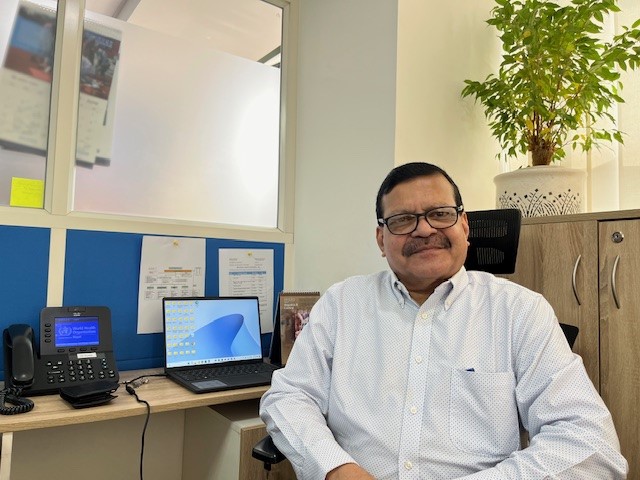
Dr. Hyder is a physician, researcher, and global health leader with over three decades of experience in public health policy and health systems strengthening. He earned his MBBS and PhD in Medical Microbiology from the University of Dhaka and an MPH from the University of Alabama at Birmingham. His career spans national, regional, and global roles with the National Tuberculosis Control Programme, WHO South-East Asia Regional Office, and WHO Nepal. His work has focused on tuberculosis control, health systems, NCDs, RMNCAH, climate change, healthy ageing, and long-term care. Currently, he continues to contribute through international civil society leadership, mentoring, and evidence-informed advocacy, guided by a lifelong commitment to equity, dignity, and meaningful public health impact.