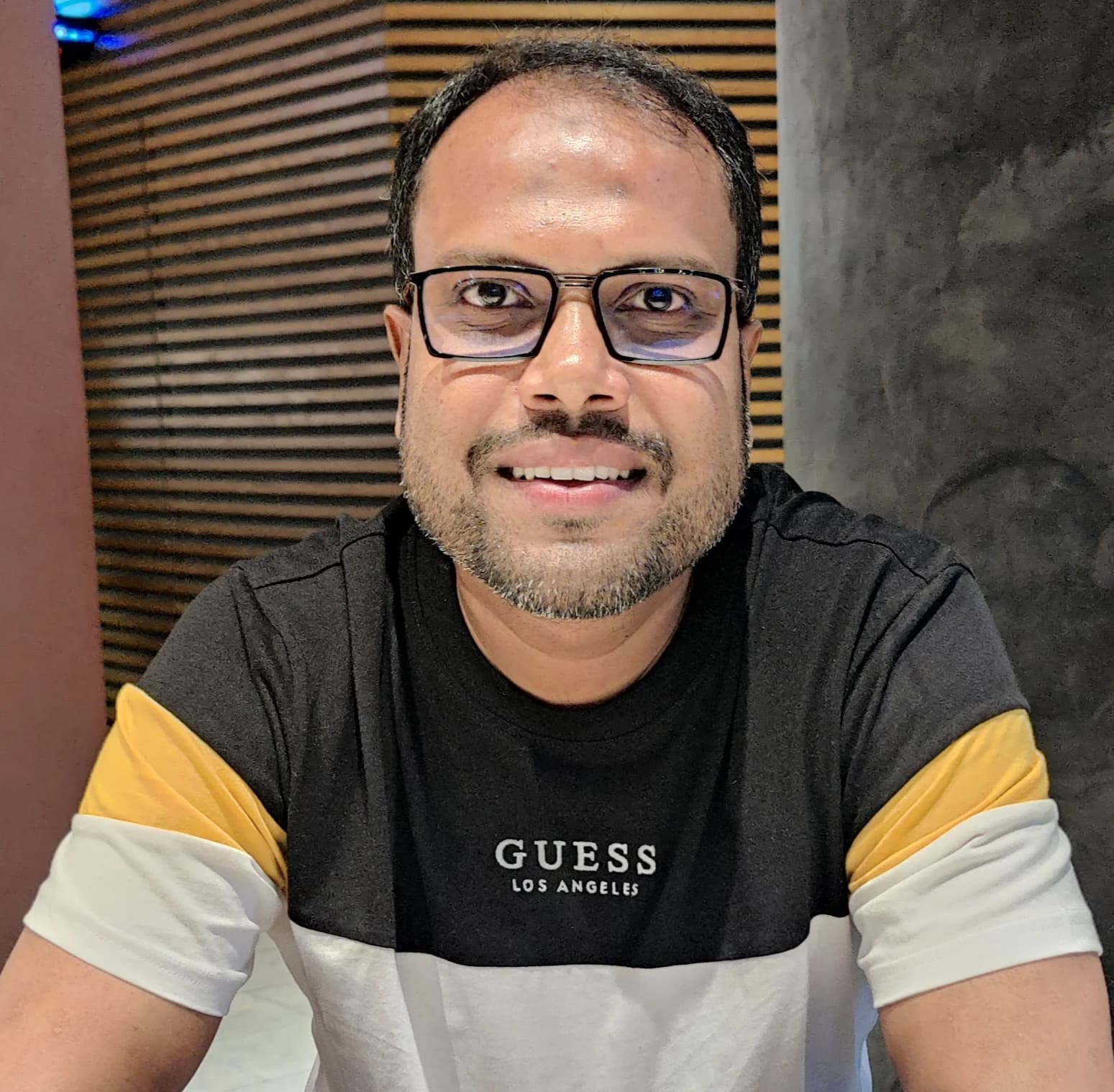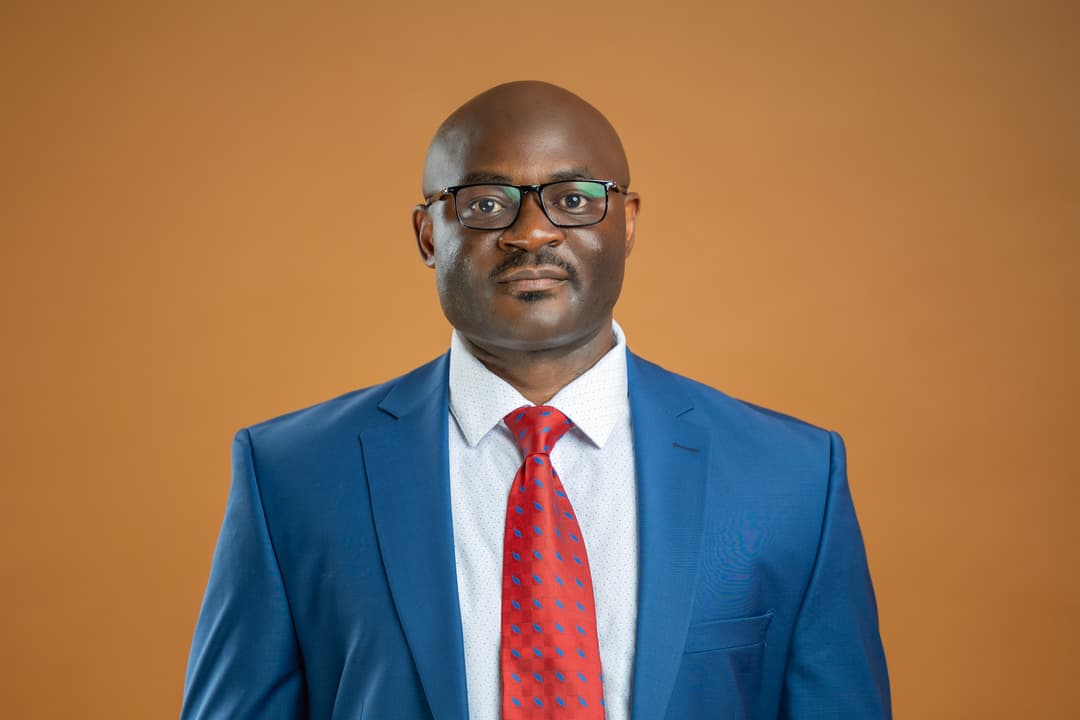
— Dr. Luchuo Engelbert Bain, Global Health Activist & Researcher
“The next generation of global health leaders must develop three non-negotiable skills: first, transdisciplinary systems thinking; second, political literacy paired with ethical courage; and third, transformative science communication. Together, these skills enable leaders to shift power, deliver impact, and truly transform global health.”
Published: 04 February 2026
Luchuo Bain: I am Dr. Luchuo Engelbert Bain, a Cameroonian physician, empirical bioethicist, and global health strategist dedicated to reimagining how knowledge, power, and partnerships shape health outcomes in Africa and beyond.
With close to two decades of experience spanning research, policy, ethics, and program leadership, my work sits at the critical intersection of equity, innovation, meaningful community engagement, sexual reproductive health and rights and decolonization of global health. Currently, I serve as Head of International Programs at the African Population and Health Research Center (APHRC) in Nairobi, Kenya, where I lead partnerships across more than 35 African countries on initiatives addressing sexual and reproductive health, antimicrobial resistance, AI ethics, climate-health nexus, and health systems strengthening. I am also the Convener of Global Health Otherwise, a thought-leadership platform challenging conventional wisdom and amplifying African voices in global health discourse.
My academic credentials include an MD from the University of Yaoundé I, Cameroon; MPH from Hebrew University of Jerusalem; MSc in Bioethics from KU Leuven; MBA in Strategic Human Resources Management from UNIR in Spain; and a dual PhD in Transdisciplinary Global Health Solutions from Vrije Universiteit Amsterdam and University of Bordeaux. I have authored over 100 peer-reviewed publications, and serve on multiple global advisory bodies including the WHO-TDR Scientific and Technical Advisory Committee, UNFPA Technical Advisory Group on Sexual and Reproductive Agency, the International Medical Advisory Panel (IMAP) of the International Planned Parenthood Federation (IPPF) and as Co-Chair of the Society for African Genomic Surveillance of Antimicrobial Resistance.
Luchuo Bain: My work currently advances global health through three interconnected strategic areas that challenge conventional approaches while building practical, African-led solutions. I'm leading the knowledge democratization and decolonization of global health movement through Global Health Otherwise, which goes far beyond rhetoric to address what I call the "five pillars" that must be continuously questioned: knowledge, expertise, methods, power, and agenda. As I often emphasize, we must ask "For whom, by whom, with whom?"
I am also working on antimicrobial resistance (AMR) surveillance and response across Africa. As Co-Chair of the Society for African Genomic Surveillance of Antimicrobial Resistance (SAGeSA), I've developed case-based educational curricula examining AMR at the intersection of clinical practice and community behavior, emphasizing One Health approaches that integrate human, animal, and environmental health perspectives.
Sexual and reproductive health and rights (SRHR) remains central to my work, working on adolescent pregnancy decision-making, contraceptive access barriers, HIV self-testing implementation, and sexual and reproductive agency.
Luchuo Bain: One highly effective, evidence-based intervention for LMICs is task shifting and task sharing anchored in community health worker (CHW) programmes within primary healthcare systems. Evidence shows that well-trained, integrated CHWs can safely deliver contraception, HIV testing, maternal and child health, infectious disease care, and vaccination—rapidly expanding coverage to marginalized populations. When supported by policy integration, fair remuneration, robust training, supplies, and community trust, task shifting strengthens health systems, addresses workforce shortages, and advances equity with sustainable impact.
Luchuo Bain: I will go in for an operationalization of equity and impact global health agenda. How is equity integrated into research questions, monitored and measured? I am particularly interested in developing an impact in global health scale for use by funders and researchers for more impactful research.
Luchuo Bain: My journey in global health has been profoundly shaped by the mentorship of Venkatraman Chandra-Mouli and Eugene Kongnyuy. From Chandra, I learned the discipline of translating rigorous evidence into policy while centering marginalized voices with humility and integrity. From Eugene, I learned the power of contextually grounded research, intellectual courage, and staying rooted in African realities while engaging globally.
Luchuo Bain: Across two decades, my work across clinical practice, multilateral agencies, research funding bodies, and African-led institutions has revealed both possibility and constraint in global health. I have seen how African-led research can thrive when resourced and trusted. Yet persistent challenges—epistemic injustice, inequitable funding, extractive partnerships, biased publishing systems, and performative decolonization—continue to limit impact. Driving change has required technical excellence, political courage, and building alternatives alongside reforming existing systems.
Luchuo Bain: I founded Global Health Otherwise to challenge inequities in how global health knowledge is produced, valued, and governed—centering African leadership, Indigenous knowledge, and genuine power redistribution through critical scholarship and action. The Career Café complements this by supporting African professionals to build purposeful, resilient careers through mentorship, skills development, and networks.
Luchuo Bain: The next generation of global health leaders must develop three non-negotiable skills.
First, transdisciplinary systems thinking—the ability to integrate biomedical, social, political, economic, and Indigenous knowledge to navigate complex realities beyond silos. Second, political literacy paired with ethical courage—understanding power, institutions, and incentives, and having the integrity to challenge extractive practices and inequitable norms. Third, transformative science communication—moving beyond information transfer to dialogue that centers marginalized voices, builds trust, counters misinformation, and translates evidence into action.
Together, these skills enable leaders to shift power, deliver impact, and truly transform global health.
Luchuo Bain: My public health role model is Paul Farmer. His unwavering belief that health is a human right, his accompaniment model of care, and his refusal to accept second-rate treatment for poor communities inspire me deeply. He combined rigorous scholarship, political courage, and radical compassion to show that equity, dignity, and excellence in care are possible everywhere.
Luchuo Bain: The Holy Bible: As I read the Bible, I am reminded that everything is grace. Life is not sustained by merit alone, but by mercy.
Humility and thankfulness are not afterthoughts or virtues to be practiced when convenient—they are meant to be the true compasses of life. When gratitude leads and humility grounds us, perspective is restored, pride is softened, and purpose becomes clearer.
In remembering this, one learns to walk lightly, serve sincerely, and live fully aware that all we have and all we become is, ultimately, grace.
Luchuo Bain: My mission is to positively impact the lives of others—anywhere, anytime—no matter the size of the gesture, one day and one life at a time.
Luchuo Engelbert Bain is a physician–public health scholar, global health strategist, and thought leader working at the intersection of health politics, diplomacy, equity, and systems reform. He holds two associate professorship appointments and has contributed extensively to global health scholarship, with over 100 peer-reviewed publications spanning SRHR, health systems, climate–health, and implementation science. In recognition of his scientific leadership, he was elected a Fellow of the African Academy of Sciences (FAAS).
Dr Bain is widely known for advancing politically informed global health practice, arguing that health is fundamentally shaped by power, institutions, and diplomacy—not technical solutions alone. As convener of Global Health Otherwise, he is actively rethinking global public health curricula, emphasizing how to think, how to read, entrepreneurship, and equity operationalization. Central to his work is a deep commitment to mentorship and intentional menteeship, preparing a fit-for-purpose generation of global health leaders for a rapidly changing world.