Tuberculosis (TB) remains one of the world’s deadliest infectious diseases, but recent data bring cautious optimism. The WHO Global Tuberculosis Report 2025 confirms that global TB incidence has declined again for the first time since the COVID-19 pandemic disrupted health services. Africa and Europe have recorded the largest net decline since 2015, reflecting stronger health systems and improved detection. Yet Asia, particularly South-East Asia, continues to be a hot spot for transmission. TB still affects millions worldwide, with 184 countries reporting data that cover 99% of the global population and TB cases.
Despite progress, drug-resistant TB (DR-TB) poses a growing threat. Multidrug-resistant (MDR-TB) and extensive drug-resistant (XDR-TB) strains complicate treatment, increase mortality, and strain health systems. Forecasts suggest that without stronger interventions, DR-TB cases could rise significantly in high-burden regions, undermining global progress. Treatment gaps remain stark: while newer drugs and shorter regimens offer hope, access is uneven, particularly in low- and middle-income countries, where scaling up effective treatment is a challenge.
South-East Asia carries one of the highest TB burdens globally, and Bangladesh is among the 30 high-burden countries. TB remains a leading cause of death from infectious disease here, driven by detection gaps, drug resistance, and socioeconomic vulnerabilities. Many cases remain undiagnosed due to limited access to diagnostic tools, while MDR-TB requires advanced laboratory capacity and specialized treatment centers. Poverty, malnutrition, and crowded living conditions further fuel transmission. National TB programs have expanded community-based screening and treatment, but coverage and adherence remain critical hurdles.
Tuberculosis is both a global and regional challenge. Encouraging declines in Africa and Europe show that progress is possible, but countries like Bangladesh remain at the front-line of the epidemic. Addressing TB requires innovation, equity, and resilience; from scaling up diagnostics to tackling drug resistance and engaging communities. The fight against TB is not just medical but social, demanding collective action to ensure that no one is left behind.
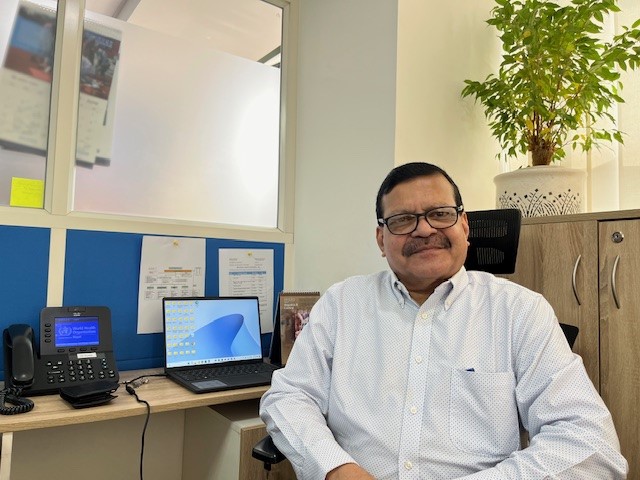
Physician I Technical Assistance Consultant TB and Public Health Specialist I Global Health Expert
Former Public Health Administrator and Team Lead Health Systems Strengthening, World Health Organization, Nepal
Former Regional Advisor TB, World Health Organization South-East Asia Regional Office, New Delhi, India
Former Consultant, National TB Control Program, Directorate General of Health Services, MoH&FW, Dhaka, Bangladesh
Connect: khurshidalamhyder@gmail.com